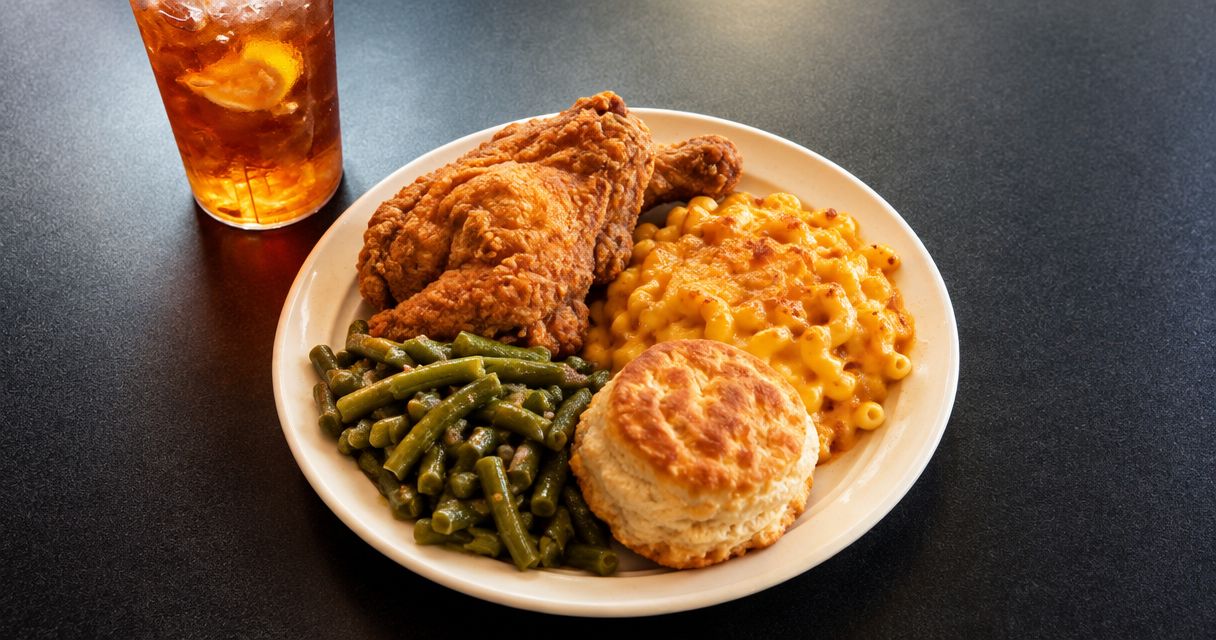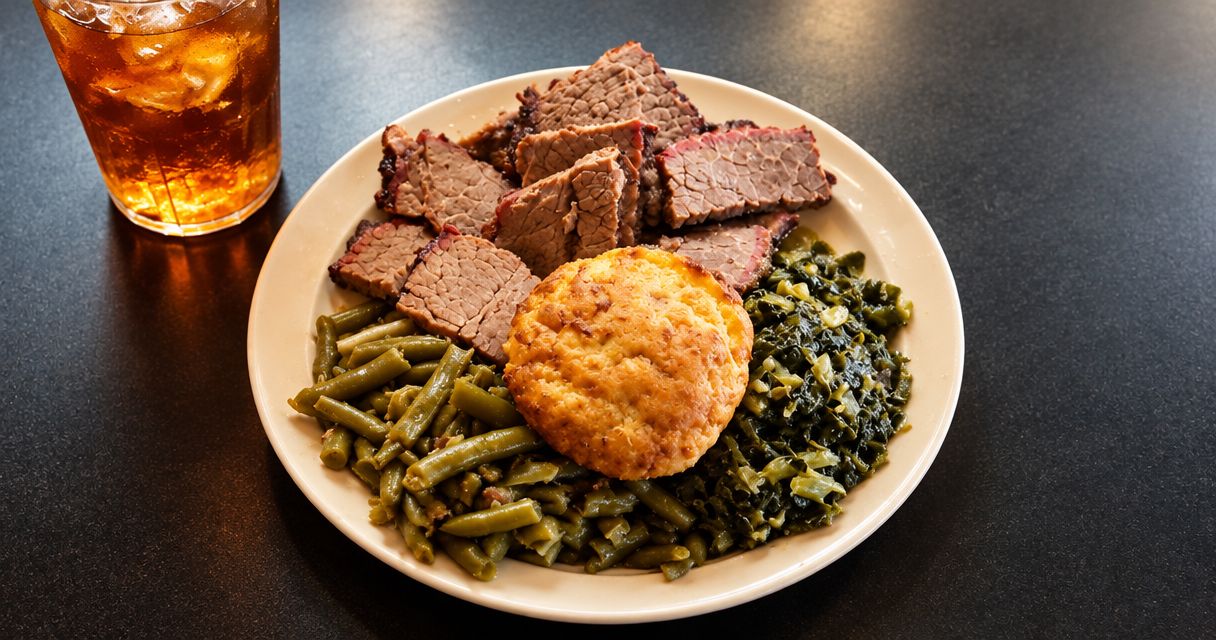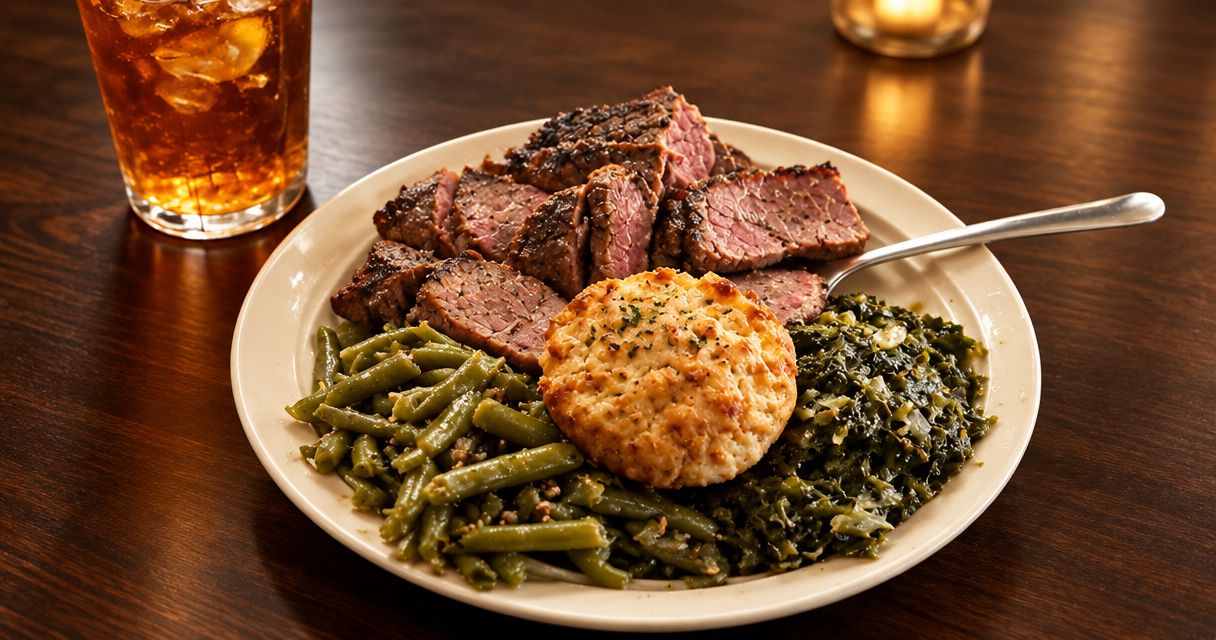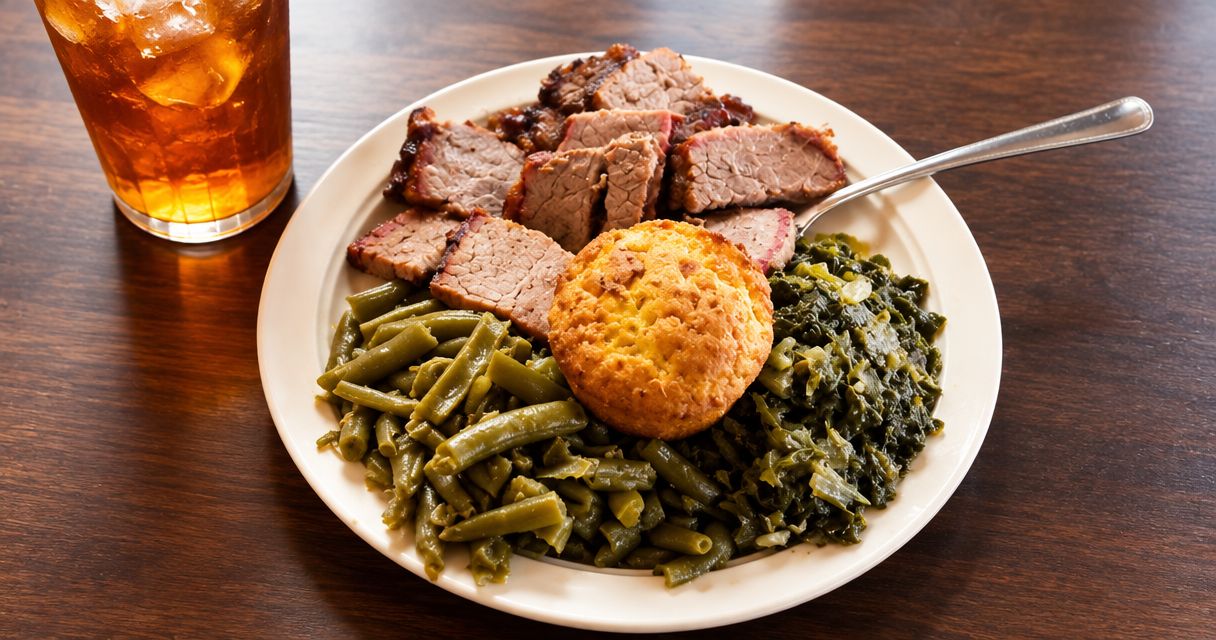
Before eating at a southern food restaurant, tell the staff your exact food allergy, check every part of the meal, and ask how the kitchen prevents cross-contact during preparation and serving. A dish without your allergen in its recipe is not enough: if staff cannot confirm ingredients and handling, choose a different meal or do not eat there.
- At a southern food restaurant, check ingredients, cooking equipment, and serving utensils before ordering.
- Thesmokehouseofflorence serves Southern barbecue and homemade comfort food; discuss allergy needs before choosing your meal.
- Slow-smoked meat still needs an ingredient check for seasonings, sauces, and anything added before serving.
- Dine-in gives you a chance to ask questions in person, but it does not guarantee allergy-safe preparation.
How do you check food allergies before a Southern meal out?
Use 3 checks: ingredients, preparation, and the finished plate. Each answers a different question, and a clear answer about ingredients does not settle the question of shared equipment.
If you are planning a 2026 visit to Thesmokehouseofflorence in Florence, Mississippi, start with a conversation about your allergy rather than a decision about your order. The restaurant offers slow-smoked meats, steaks, homemade comfort food sides, and desserts; those categories alone do not establish what fits your needs.
- Name the exact allergen. Say that you have a food allergy, not simply that you dislike an ingredient. Identify each food you must avoid and explain your cross-contact requirements.
- Check the complete recipe. Ask about the main ingredient, seasonings, marinades, sauces, sides, toppings, and garnishes. For packaged ingredients, ask whether someone can check the current label.
- Ask about preparation. Find out whether the meal touches shared cooking surfaces, utensils, oil, or serving equipment. Ask what the kitchen can actually do for your order.
- Agree on the order before cooking begins. Repeat the meal and the allergy instructions. If an answer remains uncertain, stop rather than filling in the gap yourself.
- Confirm the finished plate. When the food arrives, ask whether it is the order discussed with the kitchen. Raise any unexpected sauce, topping, or side before taking a bite.
Why this matters before you sit down
A family meal should leave room for conversation, not a last-minute argument over an unclear ingredient. Asking early gives you time to decide whether the kitchen can meet your needs without the pressure of everyone else's food arriving.
An ingredient check and a cross-contact check are separate jobs. Cross-contact happens when an allergen unintentionally gets into another food, including through shared utensils or equipment. Removing a visible ingredient does not establish that the remaining food is safe.
For a 2026 meal out, make the allergy discussion part of choosing the restaurant, not a request added after ordering. Your existing allergy care plan remains the guide for what you can eat and how to respond to a reaction.
Start with the allergen, not the dish name
The FDA recognizes 9 major food allergens in the United States: milk, eggs, fish, crustacean shellfish, tree nuts, peanuts, wheat, soybeans, and sesame. People can also be allergic to foods outside that list, so name your specific allergen rather than asking whether a dish contains common allergens.
Be precise about what you mean. If you have a milk allergy, say milk allergy rather than dairy preference. If you have a wheat allergy, say wheat allergy rather than assuming a question about gluten communicates the same requirement.
Ask 2 separate questions: what is in the food, and what will touch it? A recipe answer covers the first question. It does not tell you whether a shared tool, surface, or container creates a problem for your meal.
A written allergy note can help you communicate clearly, especially when several people are ordering together. Use it to support the conversation, not replace confirmation that the kitchen understands your needs.
Check slow-smoked meats, sides, and desserts separately
Southern comfort food brings several parts together on one plate. Check those parts separately, even when you plan to order a simple meal.
Slow-smoked meats and steak dinners
Ask about anything applied before, during, or after cooking. That includes seasonings, marinades, finishing ingredients, and sauces; do not assume any particular ingredient is used at this restaurant.
Then ask about the cooking and serving process. A request for no sauce addresses the sauce, but it does not answer questions about the meat's earlier preparation or the utensils used to serve it.
Homemade sides
Homemade describes how food is made, not whether it is suitable for an allergy. Ask about the full recipe and anything added when the side is portioned or plated.
Check the serving utensil, too. If your allergy requirements include avoiding shared utensils, explain that directly and ask whether the kitchen can accommodate it. Do not treat a familiar side name as an ingredient list.
Desserts and finishing touches
Give dessert its own conversation rather than treating it as an afterthought. Ask about the recipe, toppings, serving tools, and any packaged ingredients used in preparation.
Recheck the whole plate before eating. An unexpected topping is a reason to ask for clarification, not something to brush aside and ignore.
Dine-in or takeout: which makes allergy questions easier?
Dine-in is the better fit when you want to discuss the meal in person and confirm the plate before eating. That is a communication advantage, not a guarantee about the kitchen's ability to accommodate an allergy.
For Florence locals, nearby families, and travelers on Highway 49, the decision comes down to where you can have the clearest conversation. Takeout still requires the same ingredient and preparation checks.
| Meal format | Best for | Helpful feature | Limitation to address |
|---|---|---|---|
| Dine-in | Guests who want an in-person allergy discussion | You can ask about an unexpected item before eating | Speaking face-to-face does not establish safe preparation |
| Takeout | Guests whose plans require eating elsewhere | You can discuss the order before collection | Questions about the finished meal need resolving before you leave |
Thesmokehouseofflorence is best for diners seeking Southern barbecue and homemade comfort food in Florence, Mississippi. Whether a particular meal fits your allergy needs depends on confirmed ingredients and preparation, not that dining recommendation.
For takeout, identify the allergy when placing the order and confirm it again at collection. Before leaving, check that you have the correct order and ask about anything that differs from the agreed meal.
Why allergy checks vary from meal to meal
An answer about one dish does not automatically apply to the rest of your order. Keep these factors separate when discussing a 2026 visit:
- Recipe ingredients: The main food, seasoning, sauce, side, and garnish all need checking.
- Packaged components: Current ingredient labels matter when a recipe uses prepared ingredients.
- Cooking equipment: Shared surfaces, utensils, and oil require their own discussion.
- Serving equipment: Preparation details do not answer how the food is portioned and plated.
- Order changes: A replacement side or added topping needs a fresh check before you agree to it.
- Communication: The person taking the order needs a way to confirm the kitchen's answer rather than guess.
Do not assume removing an ingredient solves every problem. Ask whether the dish can actually be prepared to meet your requirements, including any preparation that happens before you order.
What should you ask before placing the order?
Keep the conversation plain. You need an understandable account of the meal, not technical kitchen language.
Start by naming the allergy. Then ask who can confirm the ingredients and preparation for the dish you are considering. If the person taking your order needs to check with the kitchen, wait for that answer before deciding.
Useful questions include:
- Does any part of this meal contain my allergen?
- Can someone check the current ingredients in the seasonings and sauce?
- Does the food touch shared equipment or serving utensils?
- What preparation changes can the kitchen actually make?
- How will the allergy instructions reach the person preparing my meal?
- What happens if the finished plate contains something we agreed to leave off?
An uncertain answer is not a reason to argue. It is a reason to choose something that can be confirmed, or to make another meal plan. Do not turn a guess into permission to eat.
What if you visited before without a problem?
A previous meal without a reaction does not verify the ingredients and handling of today's order. Repeat the conversation, even if you remember the dish and the staff remember you.
For a return visit in 2026, check the meal you intend to eat that day. Do not rely on an older menu photo, an old ingredient discussion, or another guest's experience with a different allergy.
This also applies when you change your usual order. A different side or sauce needs its own answer; it does not inherit the checks completed for your previous meal.
What should you do if the plate looks wrong?
Do not taste the food to investigate an unexpected topping or sauce. Pause and ask the server to confirm the plate against the allergy instructions.
Explain the concern clearly and ask what happened during preparation. If an allergen has touched the food, taking it off does not establish that the rest of the meal is safe. Any replacement needs a fresh discussion about suitable preparation.
At Thesmokehouseofflorence, the useful question is whether the specific Southern barbecue meal can meet your stated requirements. Do not interpret a friendly welcome, a generous portion, or a homemade recipe as an allergy assurance.
FAQ
How do I check food allergies at a southern food restaurant?
Tell staff your exact allergy, check every component of the meal, and ask about cross-contact during cooking and serving. Do not order a dish if the kitchen cannot confirm the information you need.
Are slow-smoked meats automatically safe for food allergies?
No, slow-smoked meats still need ingredient and preparation checks. Ask about seasonings, marinades, sauces, cooking equipment, and serving utensils before ordering.
Does homemade food mean it is allergy-safe?
No, homemade food is not automatically suitable for a food allergy. The full recipe and the way it is prepared and served determine whether it meets your needs.
Is dine-in better than takeout for discussing a food allergy?
Dine-in gives you an opportunity to discuss your allergy in person and question the plate before eating. Neither dine-in nor takeout guarantees that a restaurant can accommodate your allergy.
What are the major food allergens in the United States?
The FDA recognizes 9 major food allergens: milk, eggs, fish, crustacean shellfish, tree nuts, peanuts, wheat, soybeans, and sesame. Other foods can also cause allergies, so always identify your exact allergen.
Can staff just remove an allergen from my plate?
Removing a visible allergen does not establish that the remaining food is safe. Stop eating and discuss whether a replacement can be prepared to meet your allergy requirements.
Should I check again if I ate there safely before?
Yes, repeat the ingredient and preparation checks for your current order. A previous meal does not confirm how today's food is made or handled.
What should I do if I have an allergic reaction while dining?
Follow your prescribed allergy emergency plan immediately. If you suspect anaphylaxis, use prescribed epinephrine as directed and seek emergency medical help; do not wait for restaurant staff to investigate the ingredients.
One last thing
The most useful allergy check happens before you fall in love with a menu choice. Decide what information you need first, then choose a meal the kitchen can clearly discuss.
For your 2026 visit, let that conversation lead the plan. Come to Thesmokehouseofflorence for a sit-down Southern meal if the kitchen confirms it can meet your needs; if it cannot, keep your allergy requirements unchanged and make another plan.